The climate is changing
Infrastructure
must adapt.
Engineering must respond
to a changed world.
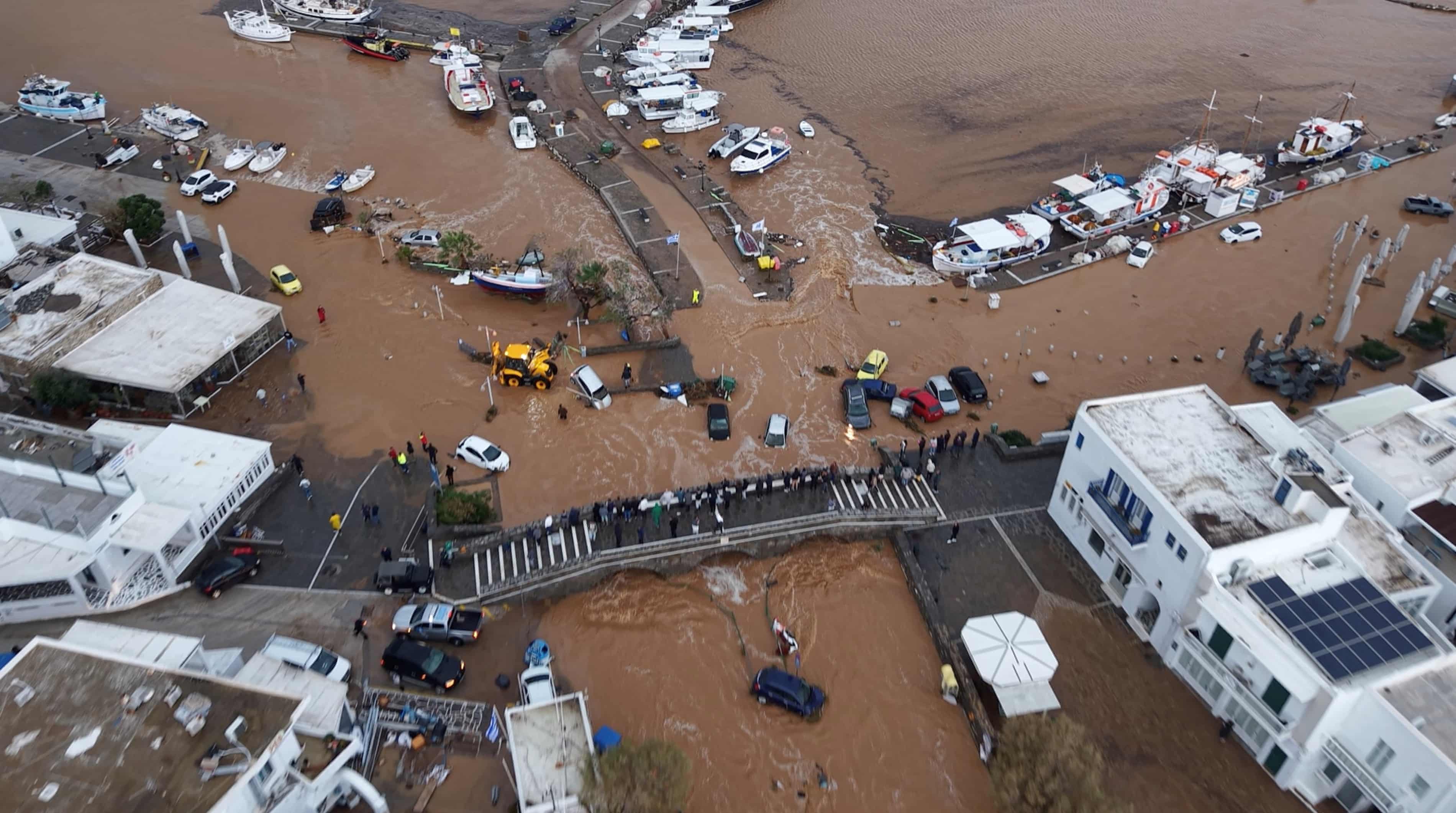
The geophysical baseline of infrastructure design has shifted permanently. Rising mean temperatures, intensifying precipitation cycles, accelerating coastal inundation, and increased frequency of extreme hydrological events are no longer tail risks - they are engineering parameters that must be embedded at the design origin, not treated as post-hoc contingencies.
NAMA's response is systematic: every project integrates quantified climate risk, future-scenario modelling, and evidence-based adaptation measures that extend the functional life of infrastructure.
Climate risk is Infrastructure risk
A structure engineered to a historical 100-year flood return period may face that event every 30 years by 2060. Every design decision made without accounting for this shift transfers a liability to the next generation.
Based on IPCC AR6 - RCP 4.5 and 8.5 scenarios
Four Pillars of
Climate-Integrated Engineering
01
Climate-Proof Design
Forward-looking climate projections - not historical baselines - applied to structural loading, hydraulic capacity, and thermal performance. Designs stress-tested against IPCC high-emission scenarios.
- Flood return period recalibration (RCP 4.5/8.5)
- Sea-level rise and coastal inundation modelling
- Extreme heat and UHIE analysis
- Drought-resilient water infrastructure sizing
02
Low-Carbon Construction
Reducing embodied carbon across the project lifecycle - from material specification through construction methodology - is a design objective, not an afterthought. Whole-life carbon assessed from concept stage.
- Whole-life carbon assessment (EN 15978 aligned)
- Low-carbon concrete and supplementary cementitious materials
- Material circularity and end-of-life planning
- Construction phase emissions monitoring
03
Durable, Long-Lifecycle Engineering
Durability under climatic stress is the most sustainable form of engineering. Structures designed for extended service lives deliver superior long-term value to owners, operators, and the public.
- Service life targets of 80–120 years for major structures
- Corrosion protection under elevated CO₂ regimes
- Lifecycle cost optimisation modelling
- Adaptive design provisions for future retrofitting
04
Green & Ecosystem Integration
Infrastructure that works with natural systems is more resilient and more cost-effective. Nature-Based Solutions, green corridors, and ecological connectivity built into every relevant project.
- Nature-Based Solutions - wetlands, bioswales, green roofs
- Ecological connectivity and wildlife passage design
- ESIA-integrated biodiversity baseline assessment
- Urban greening and heat-mitigation strategies
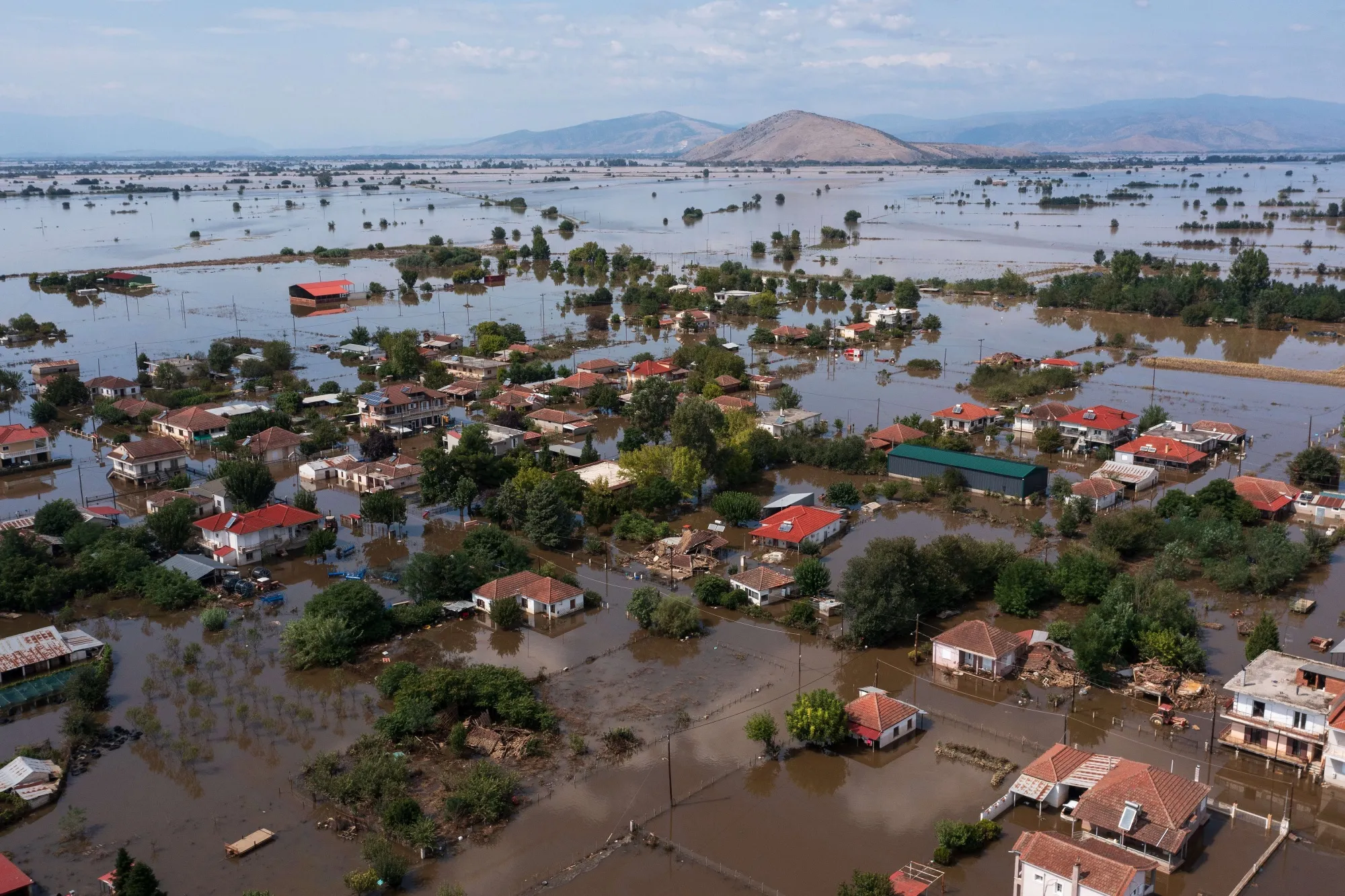
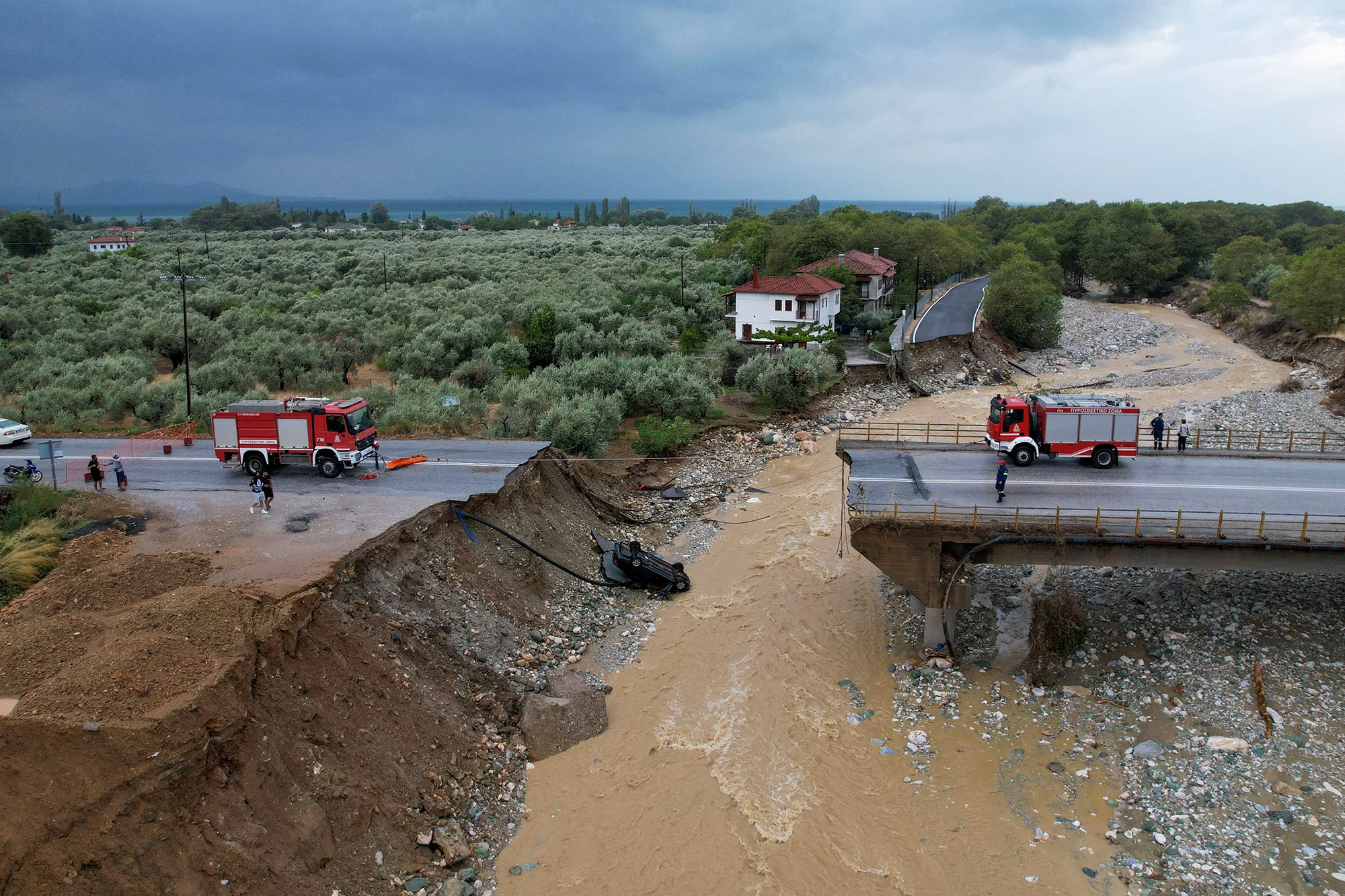
Storm Daniel aftermath. Central Greece, September 2023
Rigorous analysis.
Evidence-based adaptation.
Climate adaptation engineering is only as credible as its analytical foundation. NAMA applies internationally recognised standards and peer-reviewed climate datasets - providing the defensible, audit-ready evidence trail that project financiers, environmental regulators, and development bank reviewers require.
Hydrological & Hydraulic Modelling
HEC-RAS, MIKE FLOOD, and InfoWorks ICM applied to flood risk quantification under non-stationary climate conditions. Stochastic rainfall frequency analysis with climate-adjusted scaling factors derived from CORDEX regional projections.
Carbon Footprint & Lifecycle Assessment
Whole-life carbon quantification using One Click LCA and BIM-integrated carbon dashboards, aligned to the RIBA 2030 Climate Challenge benchmarks and Global Warming Potential (GWP) metric under EN 15978.
Environmental Impact Assessment
ESIA processes aligned with IFC Performance Standards, EU EIA Directive (2014/52/EU), and World Bank Environmental and Social Framework - covering air quality, noise, hydrology, ecology, and cultural heritage.
Certified.
Accountable.
Improving.
NAMA's environmental management is certified to ISO 14001:2015, quality management to ISO 9001:2015, and information security to ISO 27001:2022 - providing clients, financiers, and regulators with independently verified confidence in our operational standards. These certifications are not accreditations we hold; they are frameworks that drive continuous improvement across every project we deliver.

ISO 14001:2015
Environmental Management System
ISO 9001:2015
Quality Management System
ISO 27001:2022
Information Security Management System
Engineering projects that
outlast the climate scenarios
they were designed for.
From water infrastructure in sub-Saharan Africa to transport corridors in the Mediterranean, NAMA engineers assets that remain functional, safe, and economically viable across the climate trajectories of this century - and the next.