The Mosetse-Kazungula-Livingstone Rail Link is a strategic cross-border railway project that will connect the rail networks of Botswana and Zambia through the Kazungula crossing, creating a new direct route for both freight and passengers between the two countries. NAMA is contributing to the development of the preferred link at bankable-design level, helping move the project from concept toward implementation.
Advancing the railway from route selection to bankable design
NAMA's role covers the technical development of the railway corridor, from feasibility work through to the engineering package required for a bankable scheme. The link includes:
- 445 km of single-track railway
- 3 railway bridges
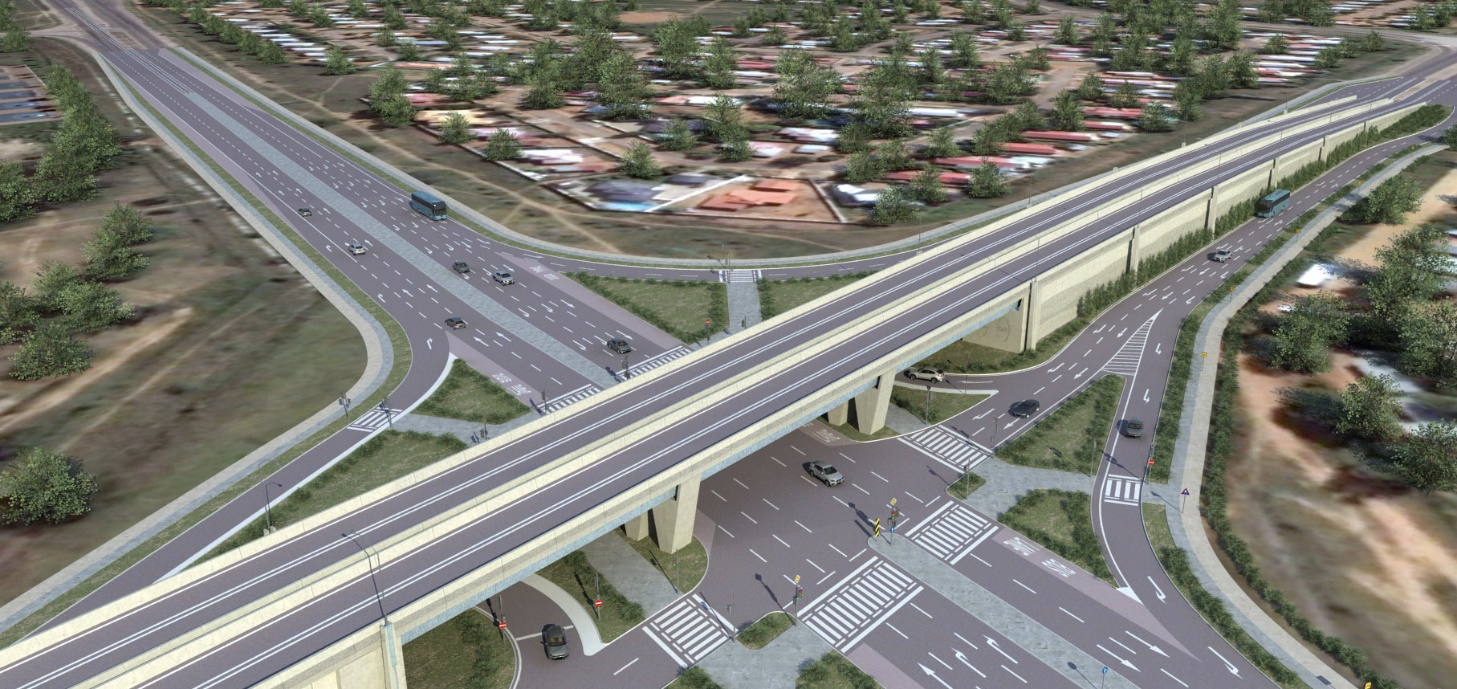
- 12 road overpasses and underpasses
The assignment also includes:
- route assessment and preferred alignment selection,
- traffic studies and modelling over a 20-year horizon,
- geotechnical, mapping and topographical investigations,
- railway engineering for track, earthworks, drainage, bridges and major structures,
- assessment of rolling stock, signalling, communications and operational support facilities,
- environmental and social impact assessment,
- phased implementation planning, risk assessment and cross-border operating review between Botswana and Zambia.
Unlocking wider mobility, trade and regional resilience
The wider significance of the project lies in what it can unlock for the region. Zambia Railways describes the line as a direct railway transport route of goods and people between the two countries, while officials from both countries have framed it as a key step for regional connectivity, trade facilitation, and social and economic development.
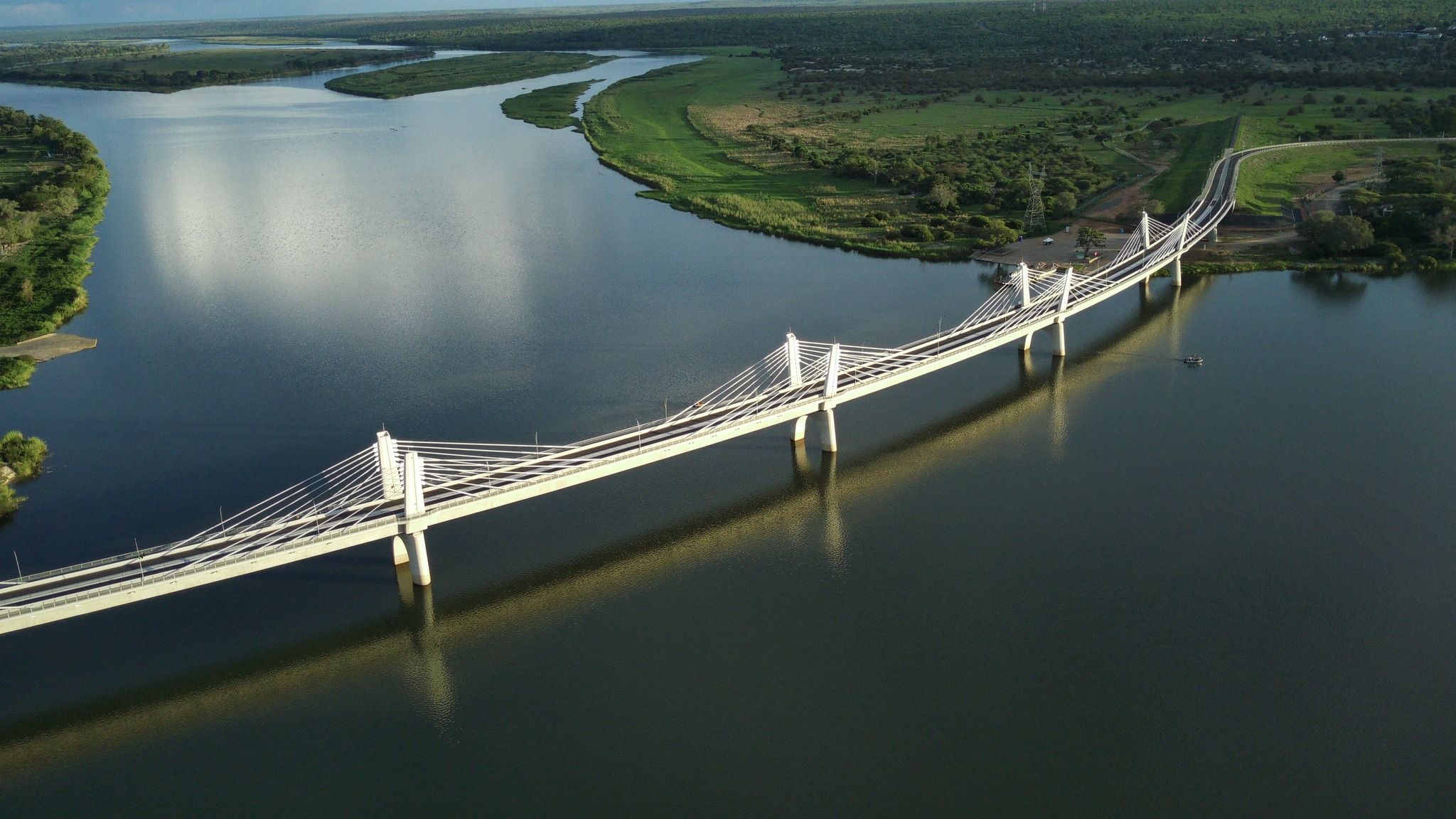
The project is also closely tied to the Kazungula Bridge, the Botswana-Zambia crossing on the North-South Corridor. SADC states that the bridge was developed to replace the ferry crossing and facilitate trade and transport in the region, while the MKL rail link is intended to close a remaining gap in that corridor and strengthen links between inland networks and regional ports.
Its broader socio-economic value includes:
- stronger cross-border movement of goods and people,
- improved regional logistics and corridor efficiency,
- reduced pressure on heavily used road infrastructure,
- better integration between national rail systems,
- support for trade, tourism and long-term economic cooperation across Southern Africa.
By supporting the preferred corridor through bankable-level engineering, NAMA is helping shape a railway link that is not only technically robust, but also regionally transformative-bringing two countries closer together through a new piece of shared transport infrastructure.