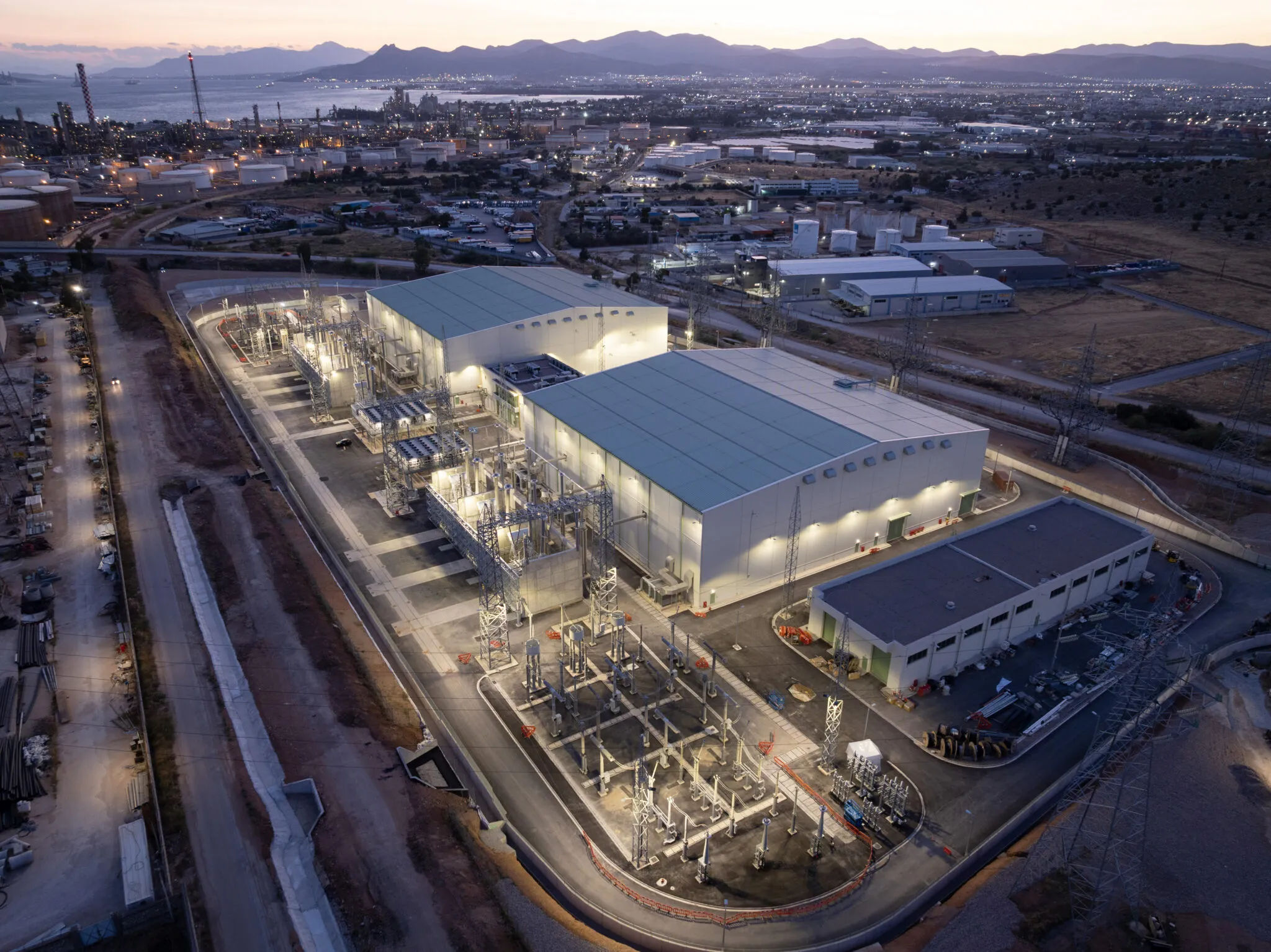
The Ariadne Interconnection is one of the most important energy infrastructure projects ever delivered in Greece. Linking Attica and Crete through a 1,000 MW HVDC connection, the project was developed to end the long-standing energy isolation of Greece's largest island and to provide a more secure, resilient and sustainable electricity supply. At system level, the interconnection includes two 500 kV submarine cables, extending approximately 335 km and laid at depths of up to 1,200 m, placing it among the most advanced and deepest subsea power links in the world.
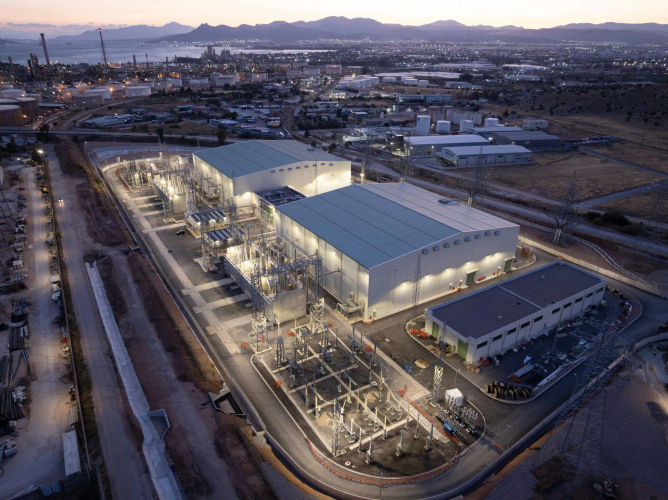
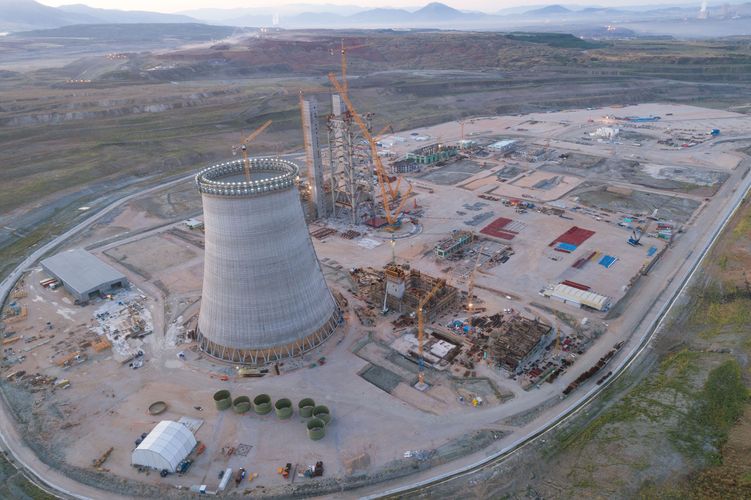
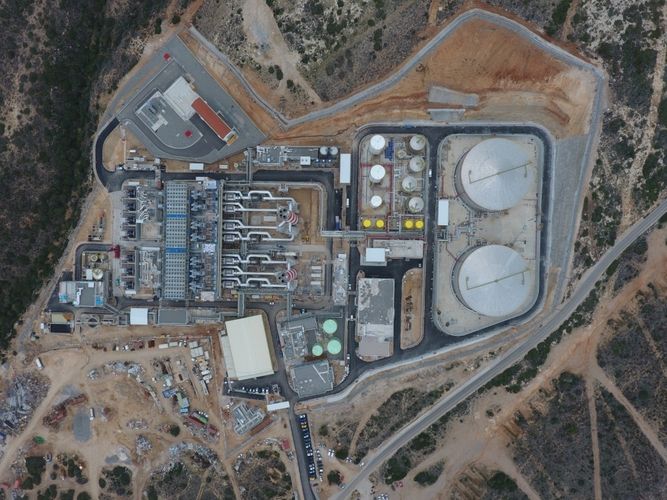
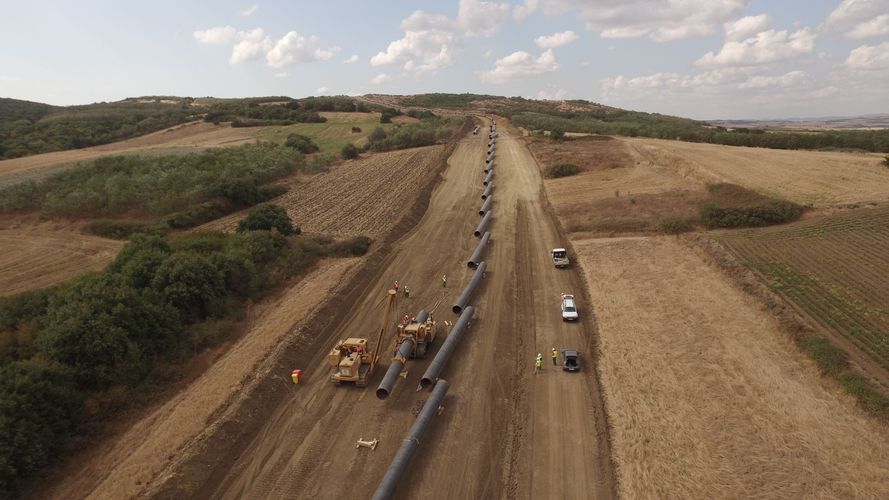
For this project, NAMA Consulting Engineers & Planners S.A. delivered the detailed design for a critical part of the interconnection package: the AC/DC converter station in Koumoundourou, Attica, the DC/AC converter station in Damasta, Crete, and the 150 kV AC GIS substation in Damasta. NAMA's role covered a broad multidisciplinary scope, including topographical, transport, geological, geotechnical, structural, architectural and seismic design services for the infrastructure supporting the two converter stations and associated facilities.
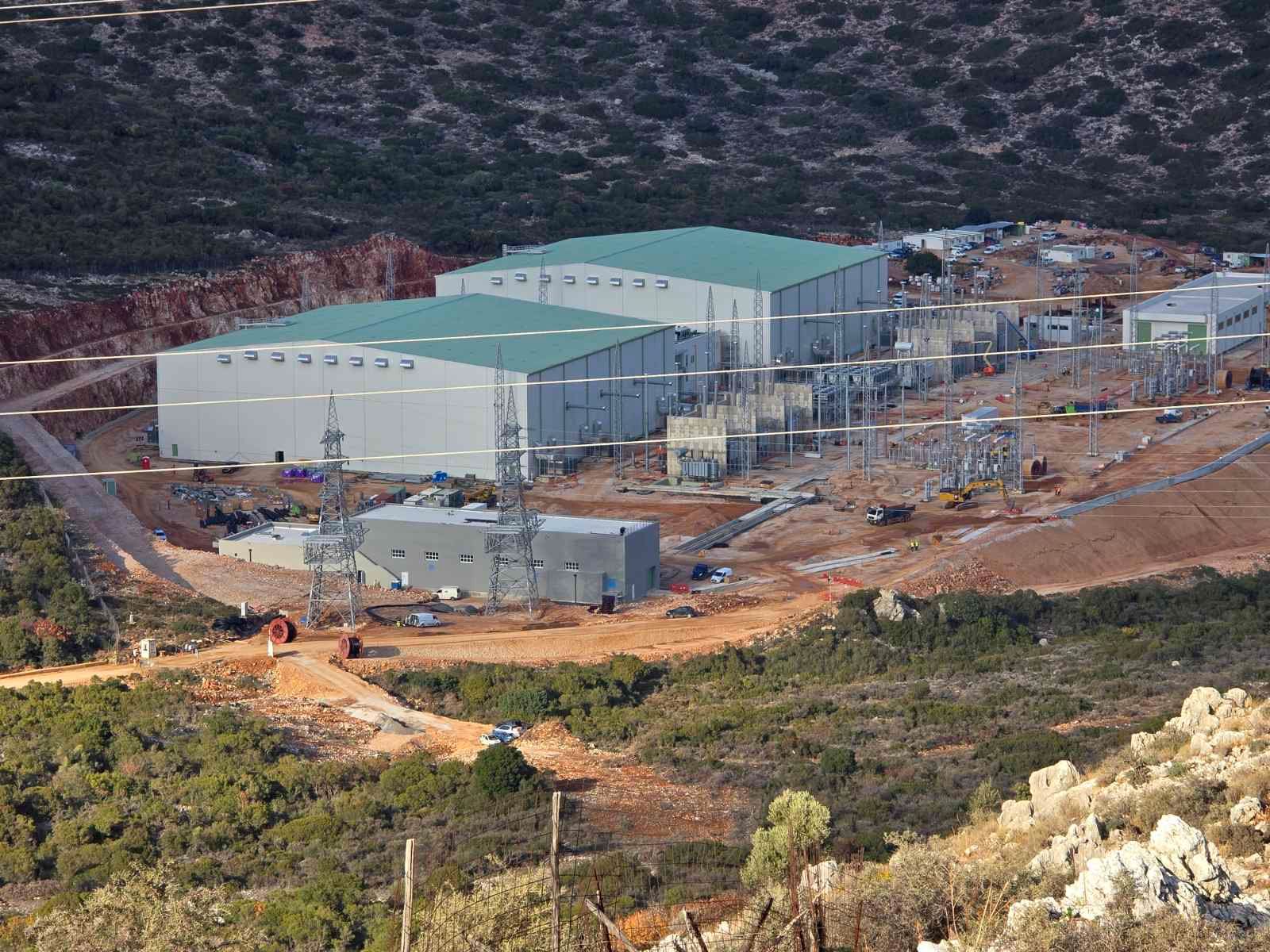
The package designed by NAMA formed the onshore backbone of a highly demanding power-transmission system. According to the project brief, the two bipolar converter stations were designed for 2 x 500 MW transmission capacity and included major technical structures such as converter halls, a control building, converter transformer areas, water-cooling structures, an emergency diesel generator building, storage facilities, firefighting infrastructure, retaining walls, culverts, anti-flood protection channels and cable channels. These facilities are essential for the reliable conversion, control and integration of power between the mainland transmission system and the Cretan grid.
Beyond its technical scale, the project has major environmental and socioeconomic significance for Crete. Official sources note that the interconnection improves security of supply, supports the reduction of electricity generation from thermal power plants, lowers oil dependency, and helps unlock Crete's significant wind and solar potential. It also benefits tourism and wider economic activity by making the island's power system more stable and reliable.
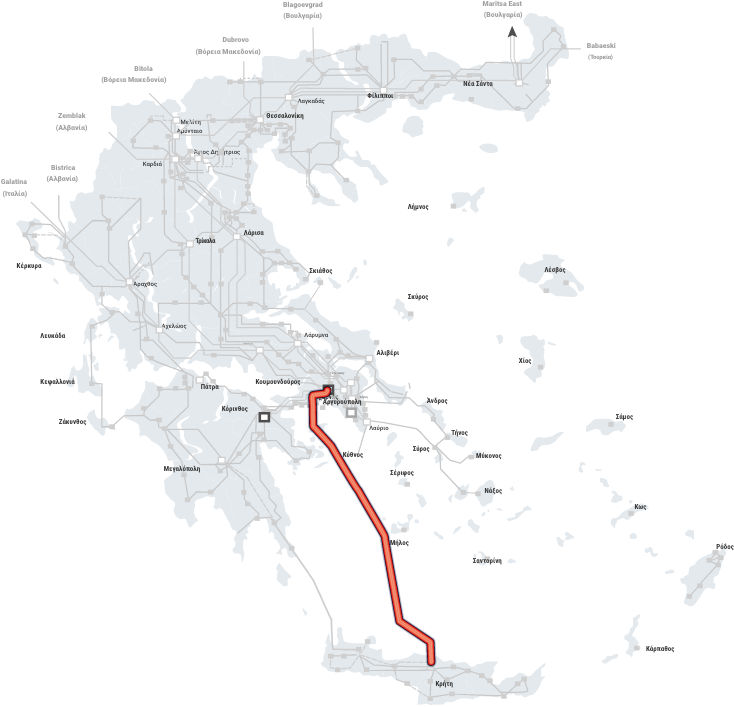
The project's wider impact includes:
- strengthening the long-term viability and resilience of Crete through a more secure and stable electricity system, with direct benefits for everyday life, business activity and tourism, which is a major pillar of the island's economy.
- reducing the environmental burden created by local oil- and diesel-based generation; the European Commission states that electricity generation is responsible for about 60% of CO2 emissions in Crete, and the new connection is expected to cut emissions by more than 400,000 tonnes of CO2 in 2025 alone.
- enabling greater use of Crete's renewable-energy resources by integrating the island more fully into the national electricity system and reducing the need to rely on isolated reserve generation.
- helping reduce electricity-system costs for consumers by lowering the high charges associated with non-interconnected islands and by bringing Crete into the wholesale electricity market.
- contributing to Greece's broader energy transition through one of the country's largest-ever grid investments; Ariadne Interconnection describes it as a €1 billion project and the largest in the history of the Greek electrical system.
Through its design contribution, NAMA supported the realization of a landmark project that combines technical complexity with clear national value. The Ariadne Interconnection is not only a major subsea cable link; it is a strategic energy lifeline for Crete, helping transform the island into a cleaner, more reliable and more future-ready part of Greece's power system.