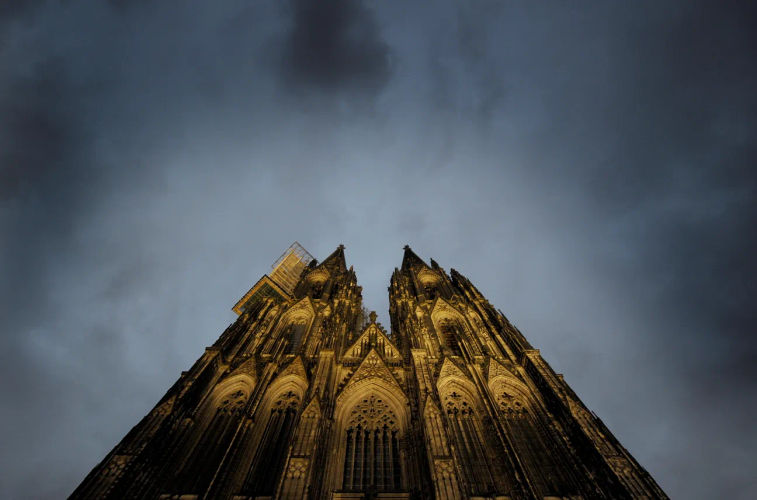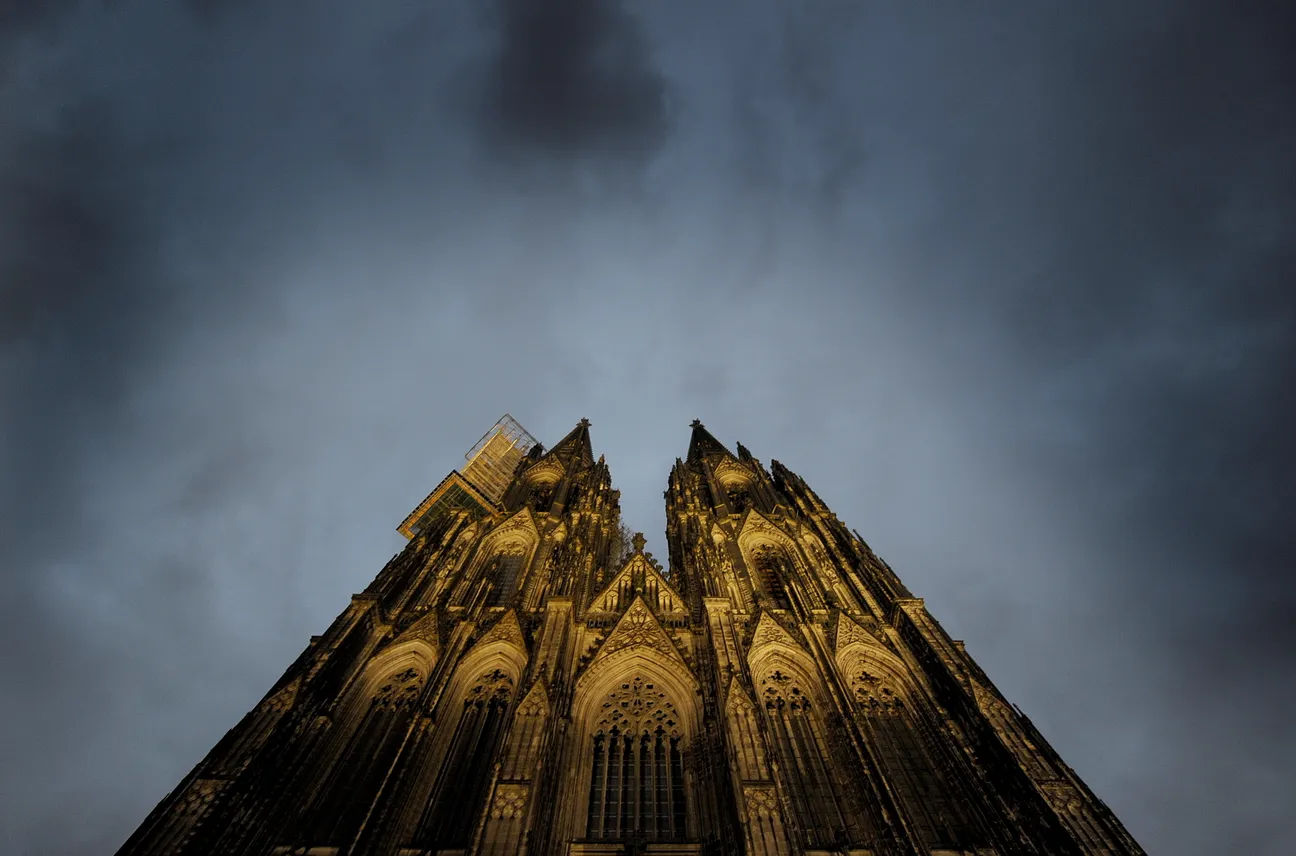
Few places demand more care than the area beside Cologne Cathedral. One of Europe's great monuments and a defining landmark of the city, the Cathedral stands at the meeting point of history, faith, tourism and everyday urban movement. In such a sensitive setting, even the infrastructure below ground has to be designed with exceptional restraint.
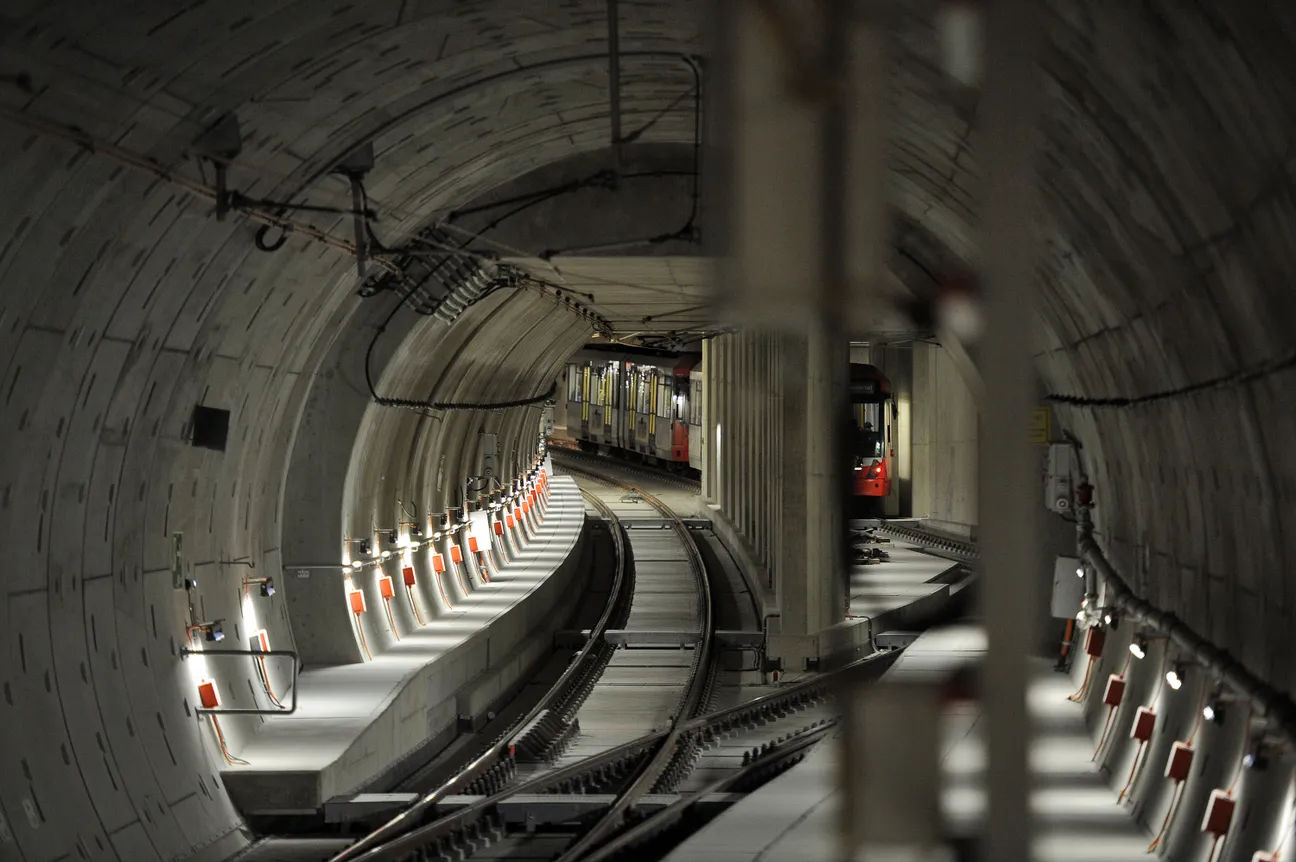
For this project, NAMA contributed to the structural design of a ballastless track system using Rheda City-D directly next to the Cathedral. At this location, the track was developed as a flat mass-spring system, with the specific aim of keeping noise and vibration emissions as low as possible in an area of exceptional cultural importance.
Designing the track to move more gently beside the Cathedral
NAMA's role focused on the structural design of a railway solution tailored to one of the most vibration-sensitive urban environments imaginable.
NAMA's contribution included:
- structural design of the ballastless track system at the Cathedral section,
- application of the Rheda City-D system in a highly sensitive urban setting,
- design of the track as a flat mass-spring system to reduce vibration and noise,
- support for a solution intended to protect both the monument and the surrounding urban environment.
At its heart, the project was about balance: allowing the railway to function efficiently, while making sure its presence would be felt as little as possible by the historic structure standing beside it.
Helping safeguard one of Europe's most important monuments
The importance of this intervention becomes even clearer in light of the concerns that emerged around 2013, when vibrations from nearby rail traffic drew public attention and raised questions about the long-term effect on the Cathedral. Reports and technical studies from that period pointed to noticeable vibrations and structure-borne sound inside parts of the building, turning the issue into a matter of both engineering urgency and heritage protection.
The wider significance of the project includes:
- helping reduce vibration and noise in the immediate vicinity of Cologne Cathedral,
- supporting the long-term protection of a UNESCO World Heritage Site,
- contributing to a more careful coexistence between modern rail infrastructure and historic monuments,
- protecting the visitor experience in one of Germany's most important cultural landmarks,
- showing how railway engineering can be adapted to serve heritage preservation as well as mobility.
This was not simply a railway design exercise. It was part of a broader effort to ensure that a monument with centuries of history could continue to stand safely within a living, moving modern city.
Through this project, NAMA contributed to an intervention where technical precision served a much larger purpose: helping protect Cologne Cathedral from the unintended effects of modern rail operation, while allowing the city around it to keep moving.